Subtle Anatomy · Chakra System · Kundalini
Chakras — The Seven Energy Centers
Not symbols. Not metaphors. Maps of the nervous system drawn by practitioners who had no other language than the sacred.
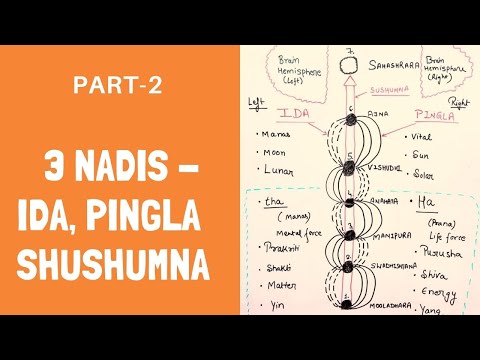
Chakra means “wheel” or “vortex.” The seven major chakras are described in the Sat-Chakra-Nirupana (1577 CE) and the Serpent Power (Arthur Avalon, 1919) as spinning energy centers along the Sushumna Nadi, each governing a specific level of consciousness and a specific region of the body. Western neuroscience would later discover the major nerve plexuses at the same locations.
Each chakra has a Bija (seed) mantra, a presiding element, a presiding deity, a lotus with a specific number of petals, a sense organ and action organ, and a Vayu association. All of these are mnemonic devices — ways of encoding the qualities of each energy center into a form the meditating mind can hold.
The first chakra is not the lowest — it is the foundation. Without Muladhara stability, no higher chakra can sustain awakening. The spine of a mountain begins underground. Kundalini is the coiled serpent sleeping here — not a metaphor, but the concentrated prana waiting to ascend Sushumna.
Survival, security, physical grounding, tribal identity, instinct
Mula Bandha, Ashwini Mudra — activate by pulling Apana upward. Bhastrika grounds excess upward-moving prana.
▶ Watch Muladhara meditationFear, insecurity, survival anxiety, feeling ungrounded, poor immunity
Greed, hoarding, rigidity, inability to change, excessive materialism
Stability in the midst of change. The ability to be still.
Kundalini (from “kundala” — coiled) is the concentrated Shakti (energy, consciousness) lying dormant at Muladhara. The entire purpose of Hatha Yoga — asana, pranayama, mudra, bandha — is to prepare the body and nervous system for its ascent through the Sushumna to Sahasrara.
The mechanism: Prana and Apana, normally flowing in opposite directions (upward and downward), are united in the navel through Kumbhaka (retention) and Mula Bandha (root lock). This union generates Agni (heat) that awakens Kundalini and forces it to enter Sushumna rather than Ida or Pingala. Once in Sushumna, it rises — piercing each chakra in sequence (Brahma Granthi at Muladhara-Svadhisthana-Manipura, Vishnu Granthi at Anahata-Vishuddha, Rudra Granthi at Ajna) until it dissolves into Sahasrara.
Note: Kundalini awakening without adequate preparation (Shuddhi — purification) can be destabilizing. This is why the traditional path begins with Yamas/Niyamas, proceeds through Asana and Pranayama, and only then attempts Mudra and Bandha. The sequence is not optional — it is safety engineering.
| # | Chakra | English | Element | Bija | Vayu | Pranayama |
|---|---|---|---|---|---|---|
| 1 | Muladhara | Root | Earth | LAM | Apana | Mula Bandha, Ashwini Mudra — activate by pulling Apana upward |
| 2 | Svadhisthana | Sacral | Water | VAM | Apana | Anulom Vilom (calms excessive desire) |
| 3 | Manipura | Solar Plexus | Fire | RAM | Samana | Kapalabhati (directly activates Manipura fire) |
| 4 | Anahata | Heart | Air | YAM | Prana | Nadi Shodhana (the heart chakra practice par excellence) |
| 5 | Vishuddha | Throat | Space | HAM | Udana | Ujjayi (the primary Vishuddha practice — the throat sound is a direct activation) |
| 6 | Ajna | Third Eye | Light | OM | Vyana | Shambhavi Mudra (direct Ajna activation) |
| 7 | Sahasrara | Crown | Beyond | Silence (or AH, or all Bija mantras simultaneously) | Beyond | Deep Kumbhaka |
The seven energy centers along the Sushumna. Use the guided meditation to experience them; the books go deep on the tantric and physiological maps.