Pranayama · Classical Yoga · Breathing Practices
Pranayama
Prana is life force. Ayama is extension. These practices extend the life force through conscious regulation of the breath — the one autonomic function that is also voluntary.
These practices are drawn from three primary sources: The Science of Pranayama by Swami Sivananda (Divine Life Society — free distribution), Asana Pranayama Mudra Bandha by Swami Satyananda Saraswati (Bihar School of Yoga), and Light on Pranayama by B.K.S. Iyengar. Descriptions are original; all traditions are credited. Pranayama should ideally be learned from a qualified teacher — these pages are reference, not instruction.
Sivananda's recommended order: Full Yogic Breath → Nadi Shodhana → Surya Bhedana → Ujjayi → Bhramari → Sheetali → Bhastrika → Kapalabhati → Kumbhaka practice. End always with Savasana. Never practise on a full stomach. Morning is the ideal time — the nadis are freshest before noon.
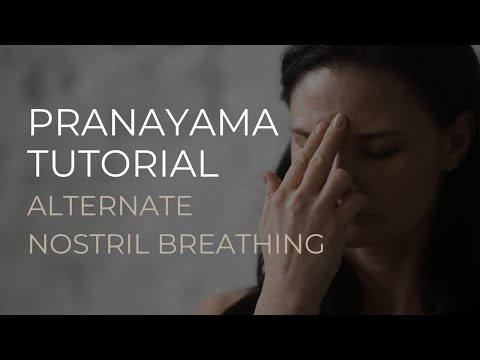
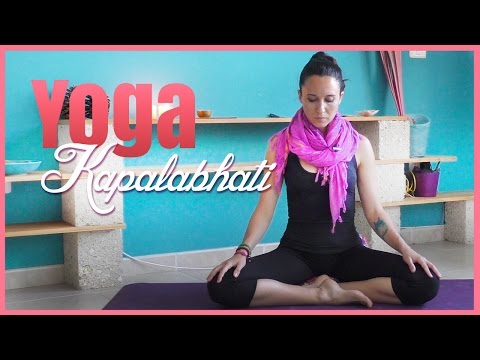
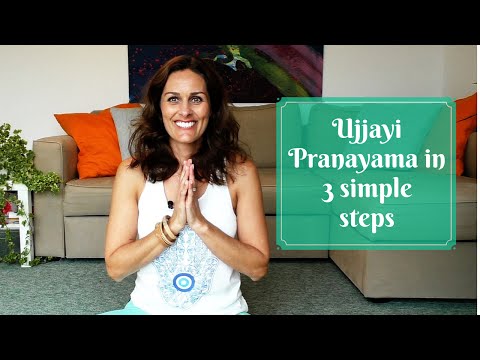
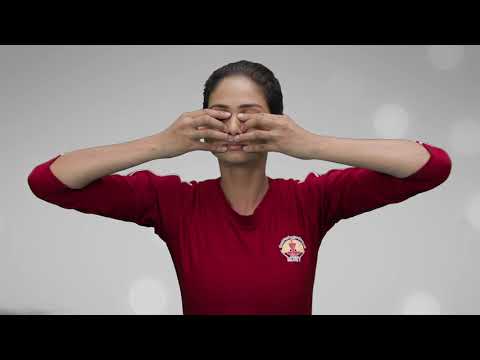
Guided tutorials for the core classical pranayamas. Start with Nadi Shodhana, then explore the cleansing (Kapalabhati) and resonant (Ujjayi, Bhramari) breaths.